
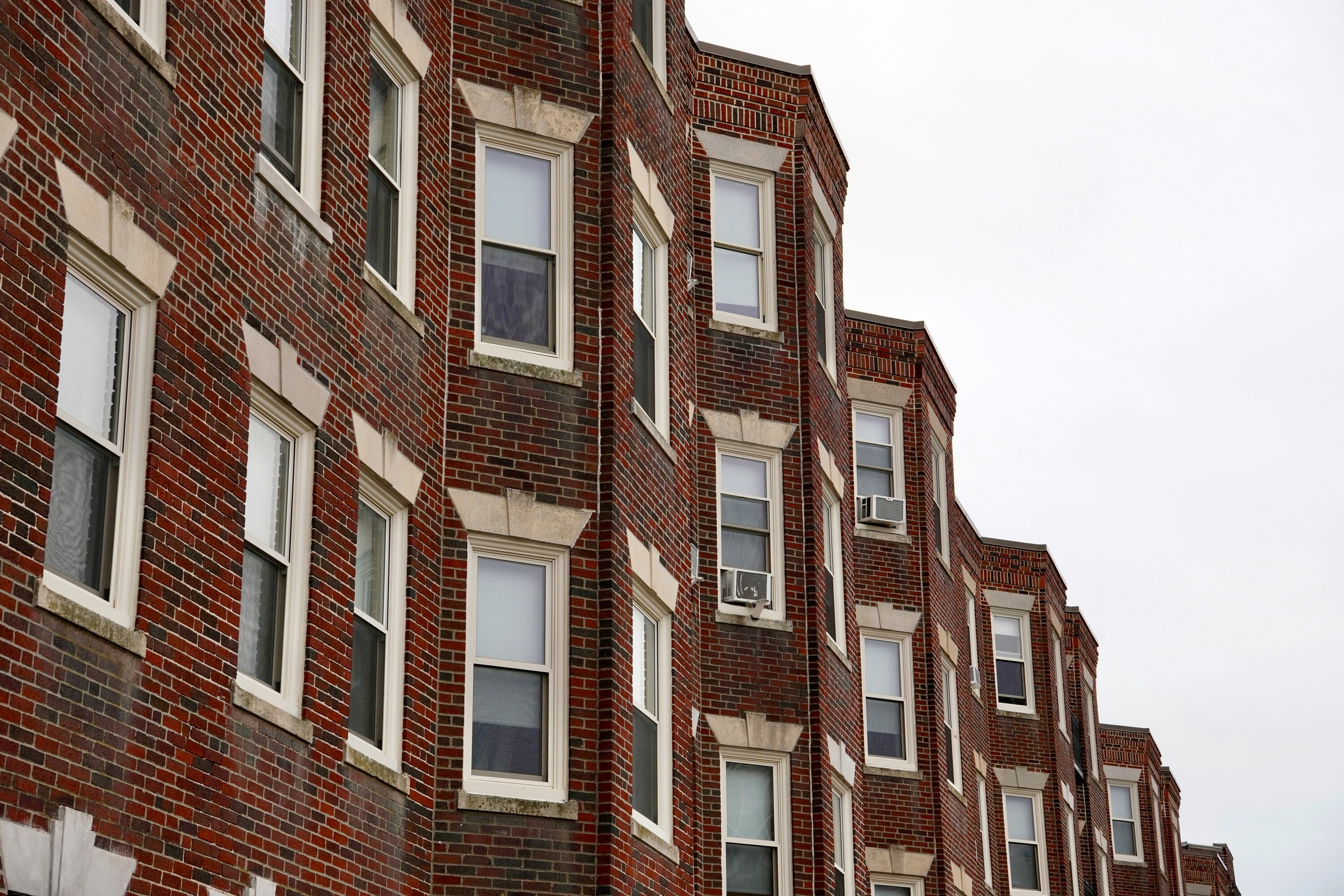
Affordable housing refers to housing that is reasonably priced, allowing low- and moderate-income individuals or families to live comfortably without spending an excessive portion of their income on housing. Typically, the standard guideline is that housing costs, including rent and/or mortgage payments and utilities, should not exceed 30% of a household’s gross income.
Affordable housing can come in various forms, including government-subsidized housing, public housing projects, and private developments that offer reduced rents or prices. The goal is to ensure that everyone has access to safe and decent living conditions regardless of their financial situation.
Market Rate vs. Affordable Housing
While housing affordability is currently an issue across the United States, there are several key differences between housing categorized as “affordable” versus “market-rate”. Understanding these differences is essential for addressing housing needs and creating policies that promote inclusivity and accessibility in housing markets.
- Cost: One of the key differences between affordable and market-rate housing is the cost. Affordable housing is designed to be affordable for low- to moderate-income individuals and families and is often subsidized or regulated by government programs to keep rents or purchase prices below market rates. On the other hand, market-rate housing prices are determined by the open market, reflecting demand and supply without subsidies. These units can be priced at a level that many people, especially those with lower incomes, may find unaffordable.
- Income Eligibility: In affordable housing, there are typically income restrictions for residents, which means that applicants must meet specific income criteria (e.g., earning below a certain percentage of the area median income) to qualify. With market-rate housing, because there are no income restrictions, anyone can rent or purchase the housing regardless of their income level.
- Regulations and Controls: While affordable housing is often subject to government regulations regarding pricing, tenant rights, and length of time units must remain affordable, market-rate housing is generally subject to fewer regulations, which allows landlords and developers more flexibility in pricing and terms.
Importance of Affordable Housing
According to the Pew Research Center, in 2020, 46% of American renters spent 30% or more of their income on housing, including 23% who spent at least 50% of their income this way. The same study indicated that about half of Americans (49%) see the availability of affordable housing as a major problem in their local community. Affordable housing is a cornerstone of a healthy society, contributing to individual well-being and broader economic and social stability. Key benefits of affordable housing include:
- Economic Stability: It allows individuals and families to allocate more of their income to other necessities like food, healthcare, and education, promoting overall financial health.
- Social Equity: Accessible housing helps reduce inequality by providing opportunities for low- and middle-income families to live in safer neighborhoods with better access to resources and services and potentially save enough for down payments to participate in the American dream.
- Community Development: Affordable housing fosters diverse communities, encouraging social interaction and cohesion, which can lead to stronger, more resilient neighborhoods.
- Public Health: Stable housing is linked to better physical and mental health outcomes. When people have secure homes, they are less likely to experience stress and related health issues.
- Economic Growth: Affordable housing can stimulate local economies by creating jobs in construction, maintenance, and related services, while also attracting businesses that benefit from a stable workforce.
- Preventing Homelessness: Access to affordable housing is essential in preventing homelessness, which has far-reaching implications for individuals, families, and communities.